
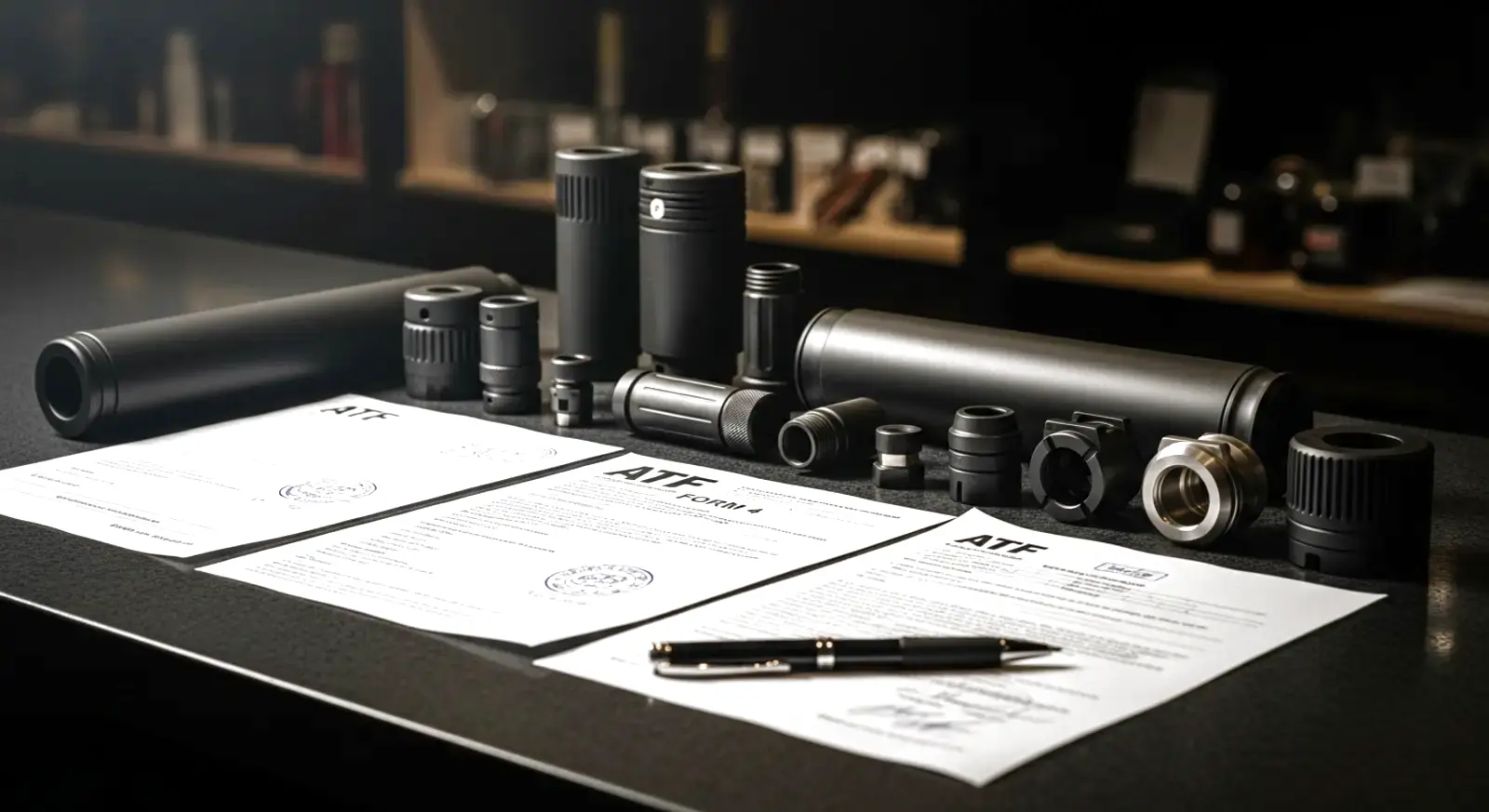
How to Become an SOT (Class 3 Dealer)
Want your shop to buy, sell, or manufacture National Firearms Act items like suppressors, short-barreled rifles, and machine guns? You have to become a Special Occupational Taxpayer. SOT status isn't a separate license. It's a tax registration on top of your existing federal firearms license. Get the class and registration right before you add NFA business.
What an SOT actually is
SOT stands for Special Occupational Taxpayer. You pay a yearly Special Occupational Tax that authorizes your business to work with National Firearms Act items. Here's what trips up new dealers: SOT is a tax status, not a license by itself. You must already hold a federal firearms license.
License first, then tax
You cannot register as an SOT without an active FFL. If you are still working on your license, start with our guide to the electronic ATF Form 4473 workflow you will rely on once you are dealing, then come back to add NFA capability.
The SOT classes at a high level
There are three SOT classes. The one you need depends on what you plan to do with NFA items, and each class pairs with a compatible license type.
- Class 3: a dealer in NFA firearms. This is the class most retail shops mean when they say they want to be a "Class 3 dealer," and it lets you buy and sell NFA items.
- Class 2: a manufacturer of NFA firearms, which also allows dealing in what you make and acquire.
- Class 1: an importer of NFA firearms.
Confirm that your FFL supports the activity you want before you pay the tax. A dealer license generally pairs with Class 3, while manufacturing generally pairs with Class 2. This matters beyond retail shops. A range that rents or lets customers shoot suppressors or full-auto items generally needs SOT status too, as our guide on whether a shooting range needs an FFL explains.
The Special Occupational Tax
The SOT is an annual tax paid on ATF Form 5630.7. Your registration runs through the tax year and must be renewed to stay valid. The tax amount can differ depending on your class and the size of your business, so confirm the current figure with the ATF before you file. Don't receive or transfer NFA items until your registration is confirmed. Handling NFA inventory without valid SOT status is a serious compliance problem.
How an integrated system keeps NFA business clean
Adding NFA business adds recordkeeping. Transfers to a non-licensee still require a completed 4473 and an entry in your acquisition and disposition records. Then there's the extra transfer paperwork. Split those records across separate tools, and the chance of a mismatch rises when the scrutiny is highest.
e4473 keeps the 4473, the sale, and the electronic bound book on one record. It can also maintain a dedicated NFA bound book alongside your standard one. The transfer is captured once and reconciled automatically, so your new Class 3 business doesn't become a new source of inspection findings. See logging NFA items in the bound book for how those entries work day to day.
Frequently asked questions
Do I need an FFL before becoming an SOT?
Yes. SOT status is a tax registration that sits on top of an existing federal firearms license. You must hold the correct FFL first, then pay the Special Occupational Tax to add NFA capability.
What is the difference between a Class 3 dealer and an SOT?
"Class 3" refers to one of the SOT classes, specifically a dealer in NFA firearms. Being an SOT is the broader status of paying the Special Occupational Tax; Class 1, 2, and 3 describe whether you import, manufacture, or deal.
How often do I have to pay the Special Occupational Tax?
The SOT is an annual tax. You pay it for the tax year on ATF Form 5630.7 and must renew it each year to keep your status active while you hold or trade NFA items.
Can I sell suppressors as soon as I pay the tax?
Wait until your SOT registration is confirmed and on file before you receive or transfer any NFA item. Handling NFA inventory without valid SOT status is a serious violation, so confirm your status before you transact.
How do NFA transfers get recorded?
NFA transfers to a non-licensee still require a completed 4473 and an entry in your acquisition and disposition records, plus the applicable NFA transfer form. An integrated system that keeps a dedicated NFA bound book alongside your standard one reduces the chance of a recordkeeping mismatch.
Adding NFA business to your shop?
See how e4473 keeps the 4473, the sale, and a dedicated NFA bound book in one reconciled record. Book a no-obligation 15-minute demo and we will walk through your Class 3 workflow.